
Photo of a Saw Whet Owl taken by my friend and photographer, Kim DeGooyer, in New Hampshire.
Over the past year I have gone deep into public gardens. After years of wishing I had made time to see more of them in bloom, I have had my year of “revenge garden visits,” making up for many lost seasons. I also joined the board of a local arboretum, because I wanted to get under the hood of what it takes for a garden not just to stay open, but to thrive. With every visit I found myself asking, “What does this cost?” The short answer: running a garden is no walk in the park. (Sorry.)
As a career marketer and business leader, I can’t help getting curious about the underlying dynamics. Why are some gardens free and others $30 to enter? What do 100-degree days, washout rains and empty weekdays do to the bottom line? Why do some gardens have huge volunteer corps while others’ dwindle? What’s behind the fall festival arms race that escalates to 100,000 pumpkins just to draw families? And why are the people who might benefit most from time in nature, busy and stressed-out working adults, so hard to reach?
I’ll be digging into these questions here. I’ll start with a practical one: what’s the smartest way to support a garden with a small gift, say under $100? Gardens and park conservancies really do need community support. But not every dollar does the same work everywhere.
One thing that surprised me: gardens don’t agree on what a membership is. Most count membership dues as contributions, the same as a donation. Others book them as earned revenue, like a ticket sale. Either way, membership matters. The question is where your money has the most impact.
My rule of thumb
If a garden has a large endowment, big enough to cover several years of operations, a small donation is not where your power is. Join instead. Membership is the product these gardens are built to sell. Your dues become part of a large, predictable revenue line, and you get real value back.
If it’s an iconic public park, the city usually owns the land, but private conservancies often fund the higher standard of care that makes it worth the trip. Entry is free, so a membership there is really a gift with perks. If one of these parks stopped you in your tracks this year, remember it at year-end.
If it’s a smaller, free garden, a donation goes a long, long way. These gardens often run almost entirely on gifts, with little earned revenue to fall back on. It’s generous of them not to charge for entry. It’s worth wondering if some of them should. Until they do, an unrestricted gift is the most useful thing you can give.
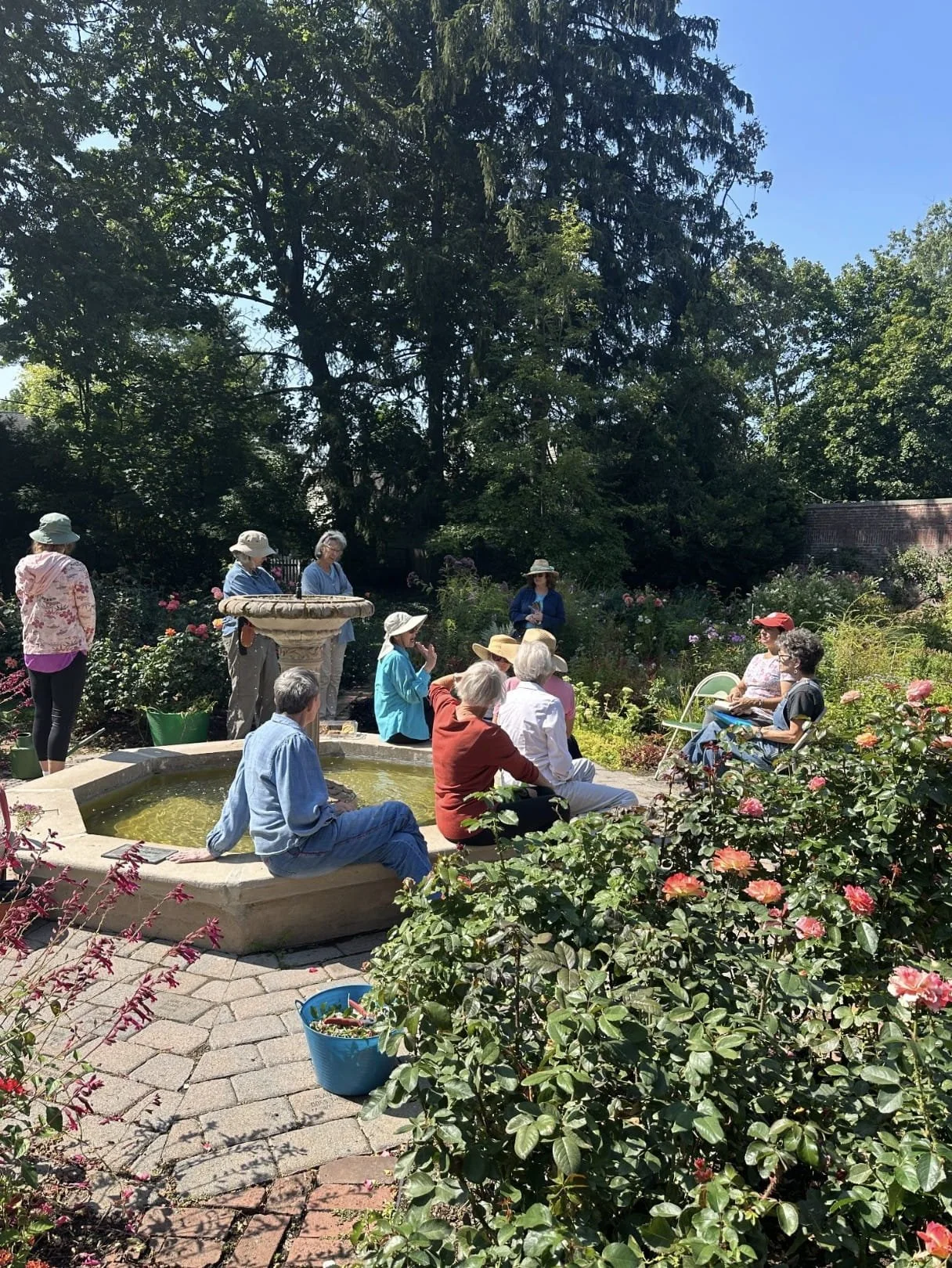
And then there’s time. Some people give money, some give time, and both can be hard to part with. But I keep coming back to how much of our screen time could be green time. One workday with your team, or one Saturday a month, is a powerful way to support a green space. There is no garden that doesn’t grow richer from its community’s care.
What green space will you grow this giving season?
